
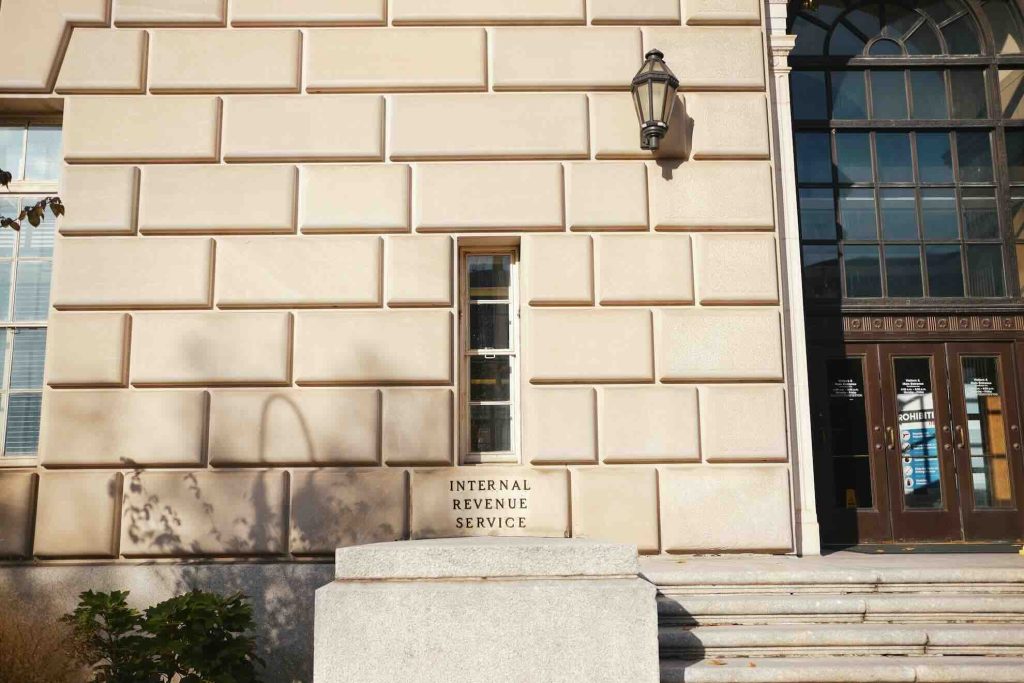
An IRS Revenue Officer’s Role in Resolving or Collecting a Tax Debt
If you owe individual taxes to the IRS or your business has a tax debt to the IRS, there is a strong likelihood that a revenue officer could be assigned to your case. Revenue Officers are assigned to resolve the tax debt and ensure compliance. This article provides additional information on the role of a revenue officer that might be of use to Columbus taxpayers and business owners dealing with IRS tax debt. If you require more information about interacting with the IRS to ensure the best possible outcome for your case, get in touch with a Columbus tax attorney at JM Tax Law for a free consultation.
What is an IRS Revenue Officer’s Role?
In short, an IRS revenue officer’s job is to establish compliance and resolve the tax liability. In terms of compliance, if an individual or business has missing tax returns, the revenue officer will request the tax returns be filed and generally, they will request these returns be filed quickly. A taxpayer is unable to establish any resolution with the IRS until all returns are filed and thus compliance is mandatory to resolve the matter. Another important factor in compliance that a revenue officer will require is that the taxpayer is in compliance with current payment requirements. If the taxpayer is an individual, the payment compliance could be estimated tax payments for the current year. If the taxpayer is an individual perhaps the payment requirements are the federal tax deposits for the 941 employment taxes. Regardless, the revenue officer will establish deadlines for the payment of the current period tax so the taxpayer can establish compliance with the current period. In addition to compliance with tax filings and payment, a revenue officer will take the necessary steps to determine how the government can collect from the taxpayer and satisfy or resolve the taxpayer. In order to accomplish this, the revenue officer will request financial information from the taxpayer. If the taxpayer is an individual, the revenue officer will request Form 433A and the necessary attachment. If the taxpayer is a business the revenue officer will request Form 433B and the necessary attachments. Based upon the financial statement and circumstances of the taxpayer, the revenue officer can discuss resolution options with the taxpayer. Further, the financial statements provide the revenue officer with the necessary information to enforce collection of the tax if the taxpayer and IRS cannot agree upon a resolution. Obviously, a taxpayer would prefer to prevent enforcement such as bank levies, wage garnishments or the seizure of assets to collect and resolve the tax debt, but if the taxpayer is unable to get in compliance and/or is uncooperative, the revenue officer will take collection action.
What Notices or Actions Can a Revenue Officer Take?
Generally, one of the first notices a revenue officer will issue is The Final Notice of Intent to Levy. This final notice provides the taxpayer with the legally required notice and due process prior to the IRS enforcing collection of the tax. The issuance of the final notice does not necessarily mean the revenue officer will take collection action, but it the puts the government in a position whereby they can levy or seize assets if this action is deemed necessary to collect on and satisfy the tax liability. In addition to the final notice, the revenue officer may file a Notice of Federal Tax Lien. The federal tax lien attaches to all property and rights to property of the taxpayer to further secure the government’s interests in the assets of the taxpayer. Furthermore, the revenue officer should issue Form 9297, which is an outline of the documents or tax returns the taxpayer needs to produce. Form 9297 will generally request the applicable financial statement and attachments the revenue officer is requesting and the deadline to provide and produce the documents and information to the revenue officer. If the taxpayer fails to timely produce the requested information, the revenue officer is more likely to issue bank levies, wage garnishment or even seize assets.
How Will the Revenue Officer Contact Me?
Generally the revenue officer will send a notice that they have been assigned to the case and state a time and date to initially meet with them. In certain cases, the revenue officer may come to your house or place of business, but this is not as common without notice from the revenue officer.
Will the Revenue Officer Visit My Business?
If your business owes employment taxes (941 tax) or other business tax, it is likely the revenue officer will want to visit your business and conduct a walk through of the business. This allows the revenue officer to view the assets of the business and thus have a better idea as to the taxpayer’s situation and overall ability to satisfy the tax debt with the potential sale of assets. Further, the walk through of the business gives the revenue officer a better overall feel for the business that assists with the collection of the tax debt and truthfulness of a taxpayer’s statements and completion of the financial statement.
As a whole, the vast majority of revenue officers we have worked with over the years are nice, ordinary and reasonable people and not out to “hurt” the taxpayer. This being said a revenue officer has their job to do, which may not be in line with how you wish to resolve the tax liability, but it is important to respect the revenue officer and comply with their requests for information. Failing to cooperate with a revenue officer and provide required documents or meet deadlines is not advised. Taxpayer’s have rights and options to resolve their tax debts and generally it is much better to work on obtaining compliance and proposing a resolution that is line with the taxpayer’s financial ability.
What To Do If An IRS Revenue Officer Has Been Assigned to Your Case
If you have been contacted by an IRS revenue officer you may want to speak with a tax attorney about representing you before the IRS. A well experienced tax attorney is likely to know exactly how to work with and deal with the revenue officer and many revenue officers prefer to work with an experienced tax attorney. You can have a free consultation with a Columbus tax attorney by contacting The McGuire Law Firm.